

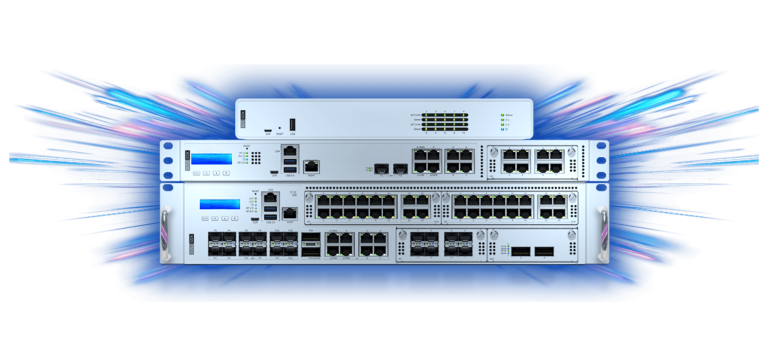
In today’s hyper-connected world, securing your network is more crucial than ever. A firewall is often your first defense against cyber threats, acting as a gatekeeper that controls incoming and outgoing traffic based on predefined security rules. But with so many options on the market—from basic routers with firewall capabilities to advanced next-generation firewalls (NGFWs)—how do you select the right one for your organization?
Here’s a step-by-step guide to help you make the best decision.
1. Understand Your Network Environment
- How many devices and users are connected?
- What types of traffic do you manage (web, email, VoIP, applications, etc.)?
- Are there remote workers or branch offices?
- Do you host services internally (e.g., web and mail servers)?
- What are your business continuity and disaster recovery requirements?
- What is your organization’s risk tolerance?
A clear understanding of your infrastructure helps determine what level of firewall protection is necessary.
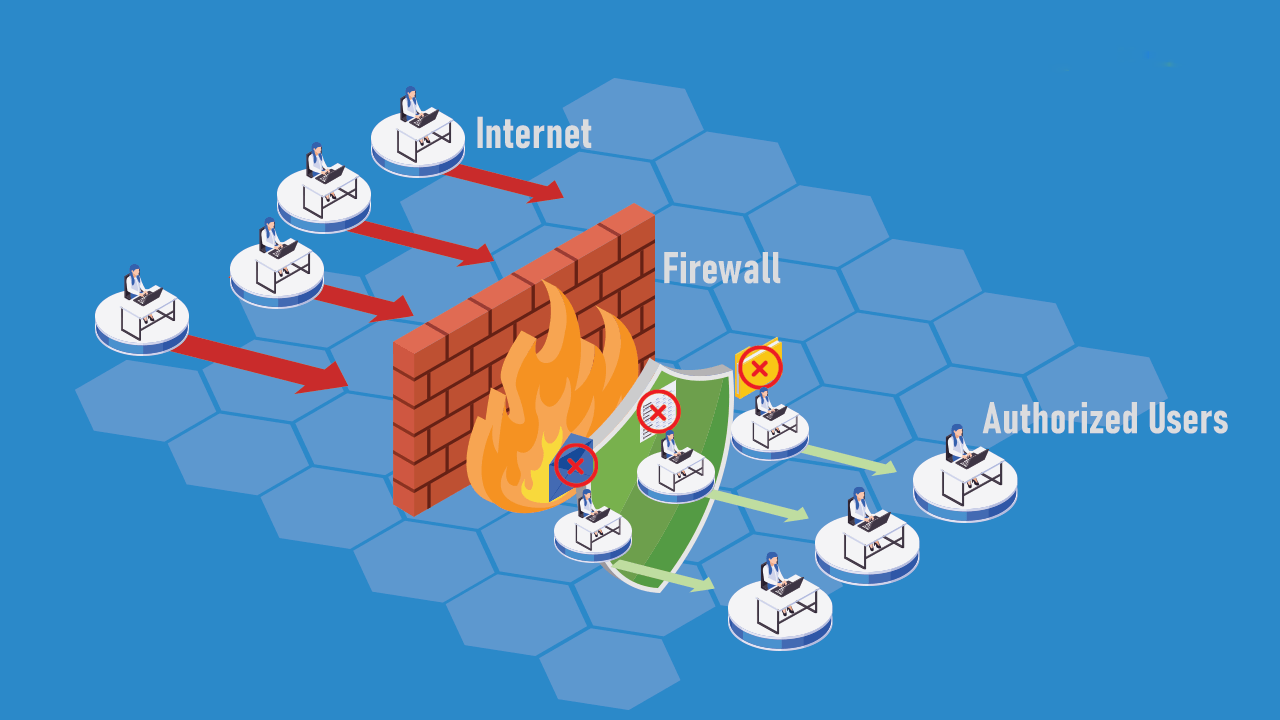
2. Decide Between Hardware vs. Software Firewalls
- Hardware Firewalls: Best suited for enterprises or mid-sized businesses, offering robust security at the network perimeter.
- Software Firewalls: Installed on individual devices; useful for endpoint protection and remote devices.
3. Consider Next-Generation Firewalls (NGFWs)
Modern threats demand advanced protection. NGFWs go beyond traditional firewalls by offering:
- Deep packet inspection
- Intrusion prevention systems (IPS)
- Application awareness and control
- Advanced threat protection (ATP)
- Integration with identity providers (LDAP, SSO)
- Sandboxing for zero-day attacks
If your organization requires high-level security or regulatory compliance, NGFWs are the way to go.
4. Scalability and Performance
- Handle current bandwidth and scale with future needs
- Support high throughput without performance degradation
- Include options for clustering or load balancing if necessary
5. Ease of Management
- A user-friendly dashboard or centralized management console
- Integration with existing security tools (SIEM, endpoint protection, etc.)
- Role-based access controls (RBAC)
- Real-time monitoring and alerting
This is especially crucial for smaller teams with limited IT resources.
7. Compliance Requirements
If you’re in a regulated industry (healthcare, finance, government), ensure your firewall:
- Meets compliance standards (HIPAA, PCI-DSS, GDPR, etc.)
- Provides detailed logging and audit trails
- Supports necessary encryption protocols
8. Budget Considerations
Don’t just consider the initial cost—also factor in:
- Licensing fees (users, features, updates)
- Hardware upgrades or replacements
- Maintenance and support costs
- Training for your team
A slightly more expensive firewall with better features and support can provide long-term value.
This aids in avoiding buyer’s remorse and ensures you make a well-informed decision.
Final Thoughts
Choosing the right firewall isn’t merely about picking a popular brand—it’s about aligning technology with your organization’s unique needs, risks, and growth plans.